
Nourish Your Vision: A Complete Eating Guide for Eye Health
Discover how the right foods can support your eye health and visual clarity. Our comprehensive guide explores the nutrients, meal strategies, and lifestyle choices that contribute to lasting vision wellness—backed by nutritional science and practical wisdom.
The information on this site is for educational purposes only and does not constitute medical advice. Always consult a qualified healthcare professional before making health decisions.
Why Nutrition Matters for Eye Health
Your eyes require specific nutrients to function optimally. Lutein, zeaxanthin, omega-3 fatty acids, and antioxidants work together to protect the retina, reduce oxidative stress, and support visual sharpness throughout your life.
Research consistently shows that people who maintain a nutrient-rich diet experience better visual acuity and reduced strain. By understanding which foods contain these essential compounds, you can create meals that naturally support your eyes.
This guide takes the complexity out of eye nutrition. Instead of scientific jargon, we focus on practical eating patterns, delicious recipes, and simple swaps that fit into your everyday life.
Discover MoreEssential Nutrients for Vision
Lutein & Zeaxanthin
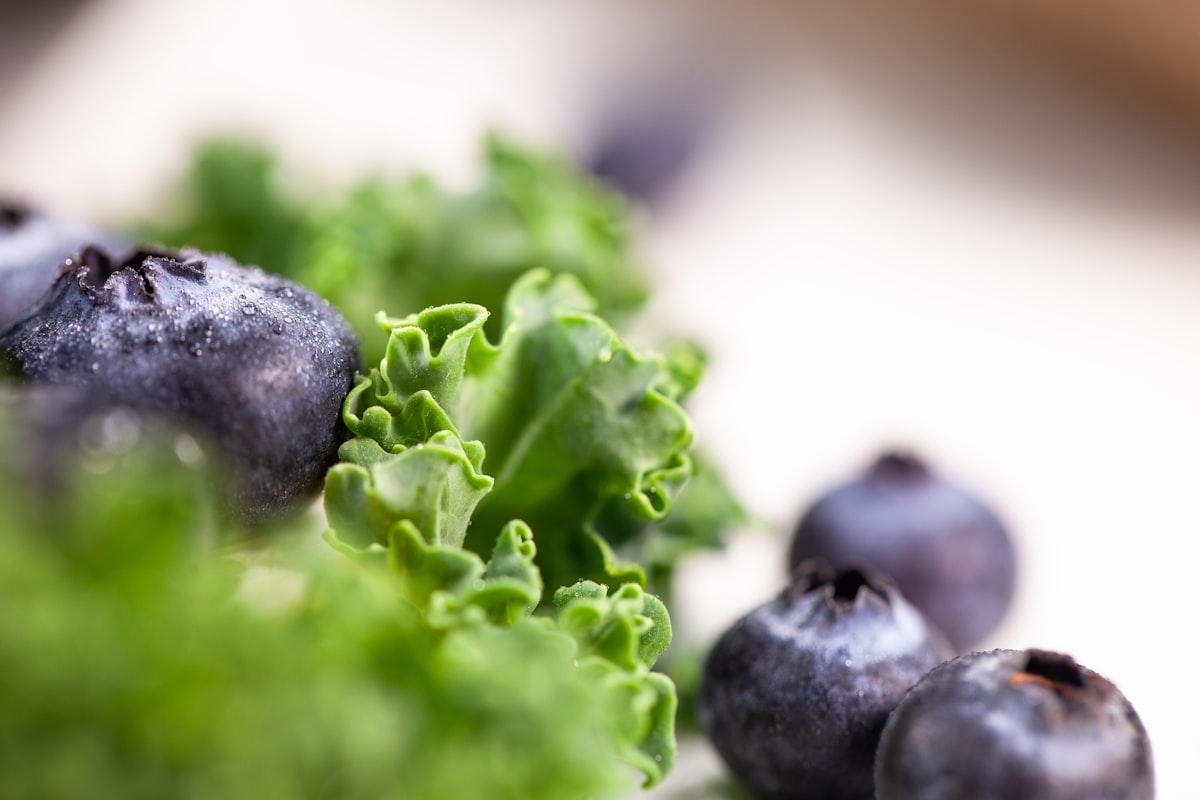
These carotenoids act as natural filters, protecting the macula from harmful blue light and UV exposure. Found in leafy greens, they accumulate in the retina to support long-term vision clarity.
- • Spinach, kale, and collard greens
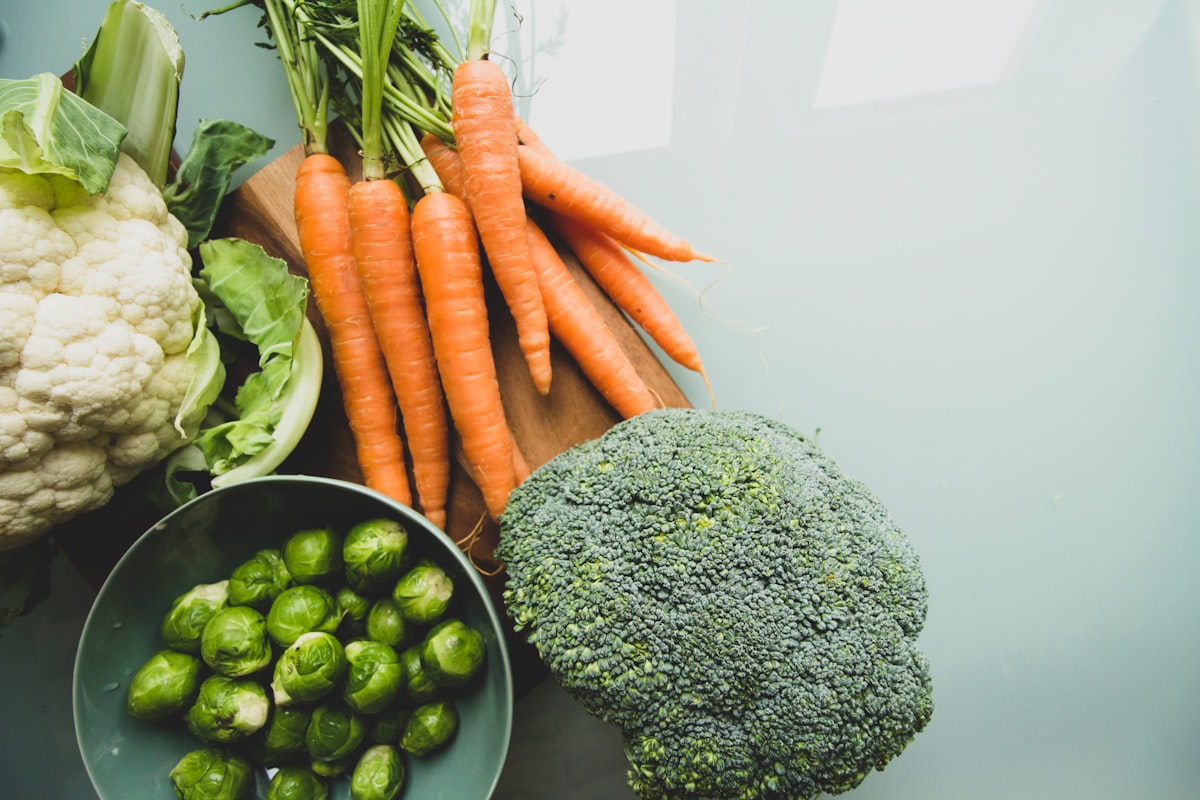
- • Broccoli and Brussels sprouts
- • Eggs (especially the yolk)
Omega-3 Fatty Acids
Essential for retinal health and tear production, omega-3s reduce inflammation and support the structural integrity of cell membranes in your eyes. Particularly important for anyone experiencing eye strain.
- • Fatty fish: salmon, mackerel, sardines
- • Walnuts and flaxseeds
- • Chia seeds and hemp seeds
Antioxidants (C & E)
Vitamins C and E combat oxidative stress and free radicals that can damage eye cells over time. They work synergistically to protect lens clarity and slow age-related changes in vision.
- • Citrus fruits, berries, and kiwi
- • Almonds, sunflower seeds, olive oil
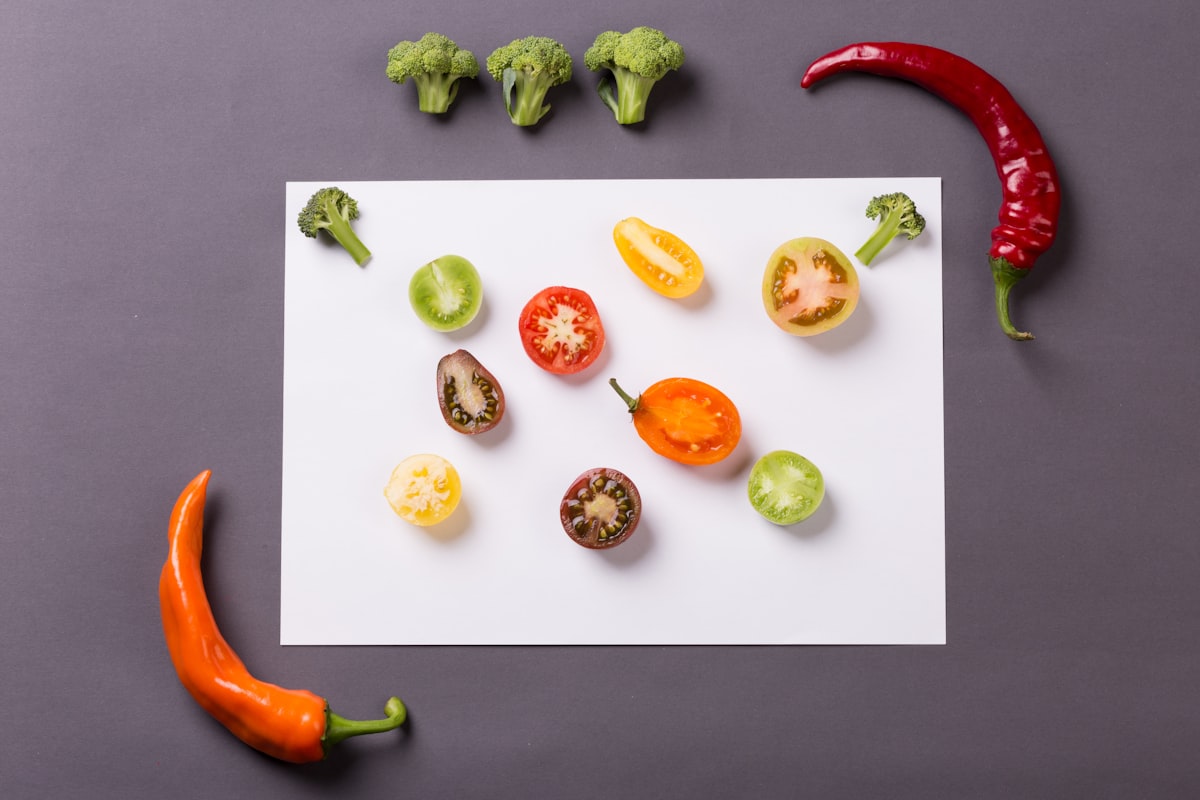
- • Bell peppers and tomatoes
Zinc & Minerals
Zinc enables vitamin A absorption and supports the health of the retina and macula. Iron, copper, and magnesium also play vital roles in maintaining visual function and energy metabolism in eye tissues.
- • Oysters, beef, and pumpkin seeds
- • Legumes: chickpeas and lentils
- • Dark chocolate and cocoa
Anthocyanins
These powerful plant pigments improve blood circulation to the eyes and reduce inflammation. They enhance night vision and visual comfort during long periods of screen time or reading.
- • Blueberries, blackberries, raspberries
- • Red grapes and purple cabbage
- • Acai berries and tart cherries
Vitamin A & Rhodopsin
The foundation of visual pigments, vitamin A is essential for adapting to low light and maintaining sharp daytime vision. Rhodopsin, a light-sensitive protein, depends entirely on adequate vitamin A intake.
- • Carrots, sweet potatoes, and squash
- • Liver and beef (retinol form)
- • Apricots and cantaloupe melon
Your 5-Step Journey to Healthier Eyes
Assess Your Current Diet
Review what you typically eat in a week. Identify gaps in key nutrients: are you getting enough greens, fish, and colorful produce? This baseline helps you make informed changes.
Start With Leafy Greens
Add one serving of leafy greens to each meal. Spinach in smoothies, kale in salads, or cooked collards as a side dish. This single step dramatically increases lutein and zeaxanthin intake.
Include Fish or Omega-3s
Eat fatty fish 2–3 times weekly, or use seeds and nuts daily. Omega-3s are foundational for retinal health and significantly reduce eye strain during extended screen use.
Add Colorful Produce
Aim for a rainbow of colors—orange carrots, red peppers, purple berries, yellow squash. Each color brings different antioxidants that work together to protect your vision.
Build Sustainable Habits
Create meal plans that include eye-healthy foods you actually enjoy. Consistency matters more than perfection—small, sustained changes deliver lasting results.
Understanding Eye Health & Nutrition
What Research Shows
Nutrient Synergy
Eye nutrients work best together. Lutein absorption improves with fat; vitamin C enhances iron availability. Eating whole foods naturally creates this balance.
Prevention Through Nutrition
A nutrient-rich diet supports visual clarity and reduces common eye strain. Many vision challenges can be minimized through strategic eating and lifestyle choices.
Hydration & Eye Comfort
Adequate water intake supports tear production and helps flush metabolic waste from the eyes. Dehydration often leads to dryness and discomfort during screen time.
Age-Related Clarity
Consistent nutrient intake starting now helps maintain visual acuity and eye health throughout your life, reducing the impact of age-related changes.
Foods to Prioritize vs. Foods to Minimize
Foods to Prioritize
-
▸
Leafy Greens:
Spinach, kale, collards—packed with lutein and zeaxanthin.
-
▸
Fatty Fish:
Salmon, mackerel, sardines—rich in omega-3 DHA and EPA.
-
▸
Berries:
Blueberries, blackberries—loaded with anthocyanins and vitamin C.
-
▸
Root Vegetables:
Carrots, sweet potatoes, squash—excellent vitamin A sources.
-
▸
Nuts & Seeds:
Almonds, sunflower seeds, walnuts—vitamin E and omega-3s.
-
▸
Eggs:
Whole eggs (especially yolks) contain lutein, choline, and zinc.
-
▸
Water & Herbal Teas:
Hydration supports tear production and eye comfort.
Foods to Minimize
-
◌
Refined Sugars & Processed Foods:
Increase inflammation and oxidative stress on eye tissues.
-
◌
Trans Fats & Hydrogenated Oils:
Damage cell membranes, including those in the retina.
-
◌
Excessive Sodium:
High salt intake links to inflammation and vision issues.
-
◌
Alcohol & Tobacco:
Both increase oxidative stress and impair nutrient absorption.
-
◌
Deep-Fried Foods:
High temperature cooking destroys heat-sensitive antioxidants.
-
◌
High-Glycemic Carbs:
Rapid blood sugar spikes increase inflammation.
-
◌
Excess Caffeine:
Can contribute to eye dryness and strain when overconsumed.
Delicious Eye-Healthy Recipes & Meal Ideas
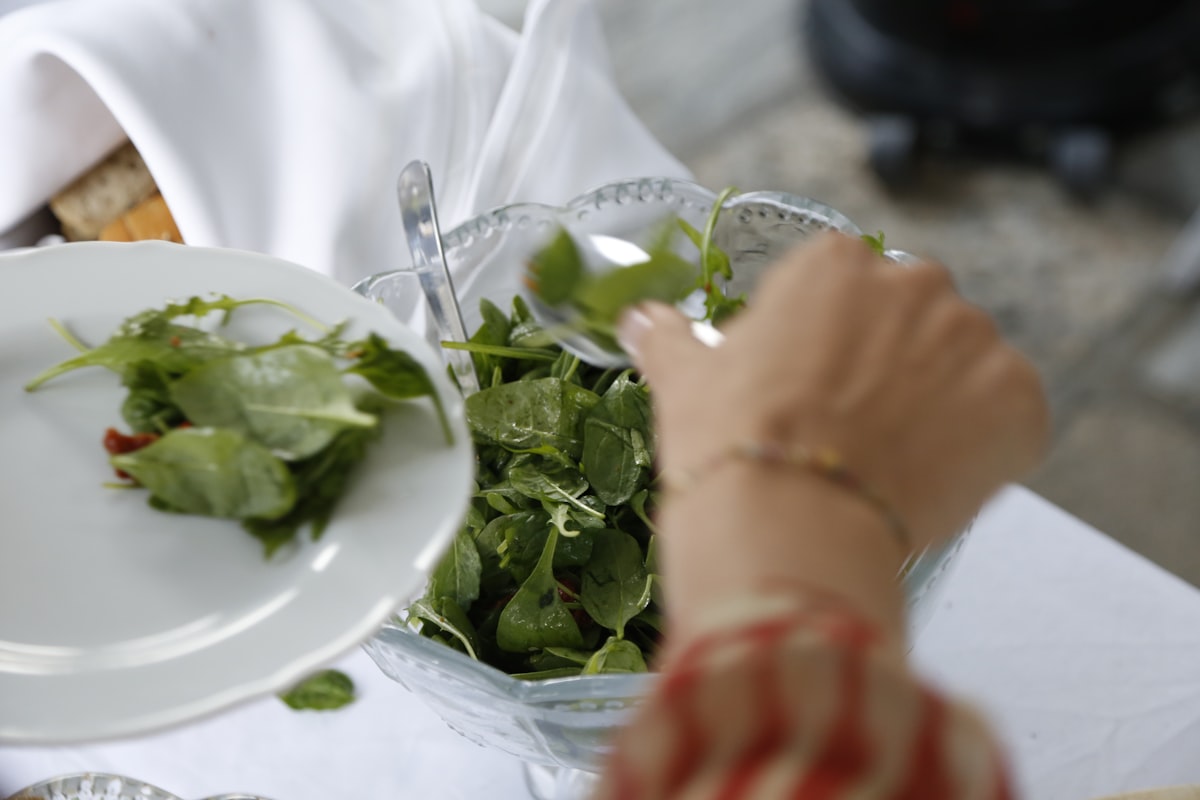
Spinach & Wild Salmon Salad
Fresh spinach, grilled wild salmon, walnuts, and a lemon-olive oil dressing. This meal combines lutein from greens, omega-3s from fish, and vitamin E from nuts—a nutritional powerhouse for vision.
Key Nutrients: Lutein, Omega-3, Vitamin E, Selenium